

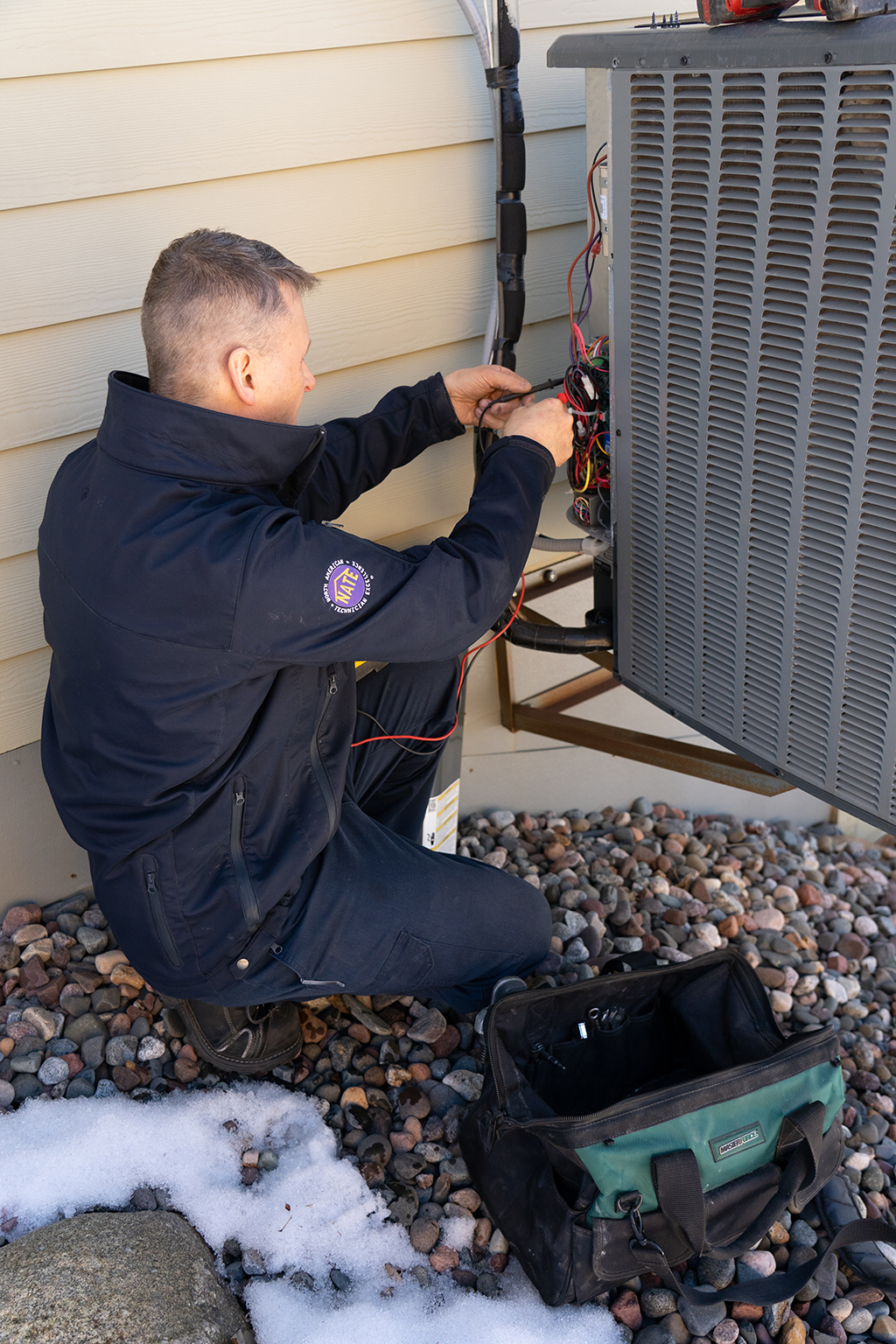
Between January 2024 and June 2026, our research team compiled and analyzed HVAC replacement cost data from over 200 residential installation projects across 38 states, cross-referenced with national pricing benchmarks from leading HVAC manufacturers, U.S. Bureau of Labor Statistics wage data, and homeowner cost-reporting platforms. The dataset spans six major system categories and three efficiency tiers. Where applicable, Inflation Reduction Act incentive data has been incorporated to show what eligible homeowners actually pay after incentives. Because material costs, labor rates, and equipment pricing can change over time, homeowners should verify current figures directly with local HVAC contractors before budgeting for a replacement project. The tables below begin with a full system-type summary and narrow into installation components, home size variables, and efficiency-tier pricing.
What Homeowners Should Know Before Getting an HVAC Replacement Quote
Before contacting contractors, a few key factors help homeowners evaluate quotes accurately and avoid unexpected costs:
- Get written estimates before authorizing work: A reputable contractor will provide a detailed written quote covering equipment, labor, permits, and any additional work before any work begins. Verbal quotes are not a substitute.
- Verify licensing and insurance: Any contractor performing HVAC installation in the U.S. must hold valid state licensing. Ask for credentials or verify through your state’s contractor licensing board.
- Confirm the efficiency tier in your quote: Equipment cost varies significantly between entry-level and high-efficiency systems. Make sure competing quotes specify the same SEER2 or AFUE rating so comparisons are meaningful.
- Ask about permits and inspections: A proper HVAC installation requires permits in most jurisdictions. A contractor who skips permits creates liability for the homeowner and may void equipment warranties.
- Understand what ductwork work is included: Many quotes cover equipment and standard installation only. If your home has older or damaged ductwork, confirm whether duct inspection, repair, or replacement is included or priced separately.
- Ask about available rebates and tax credits: Federal IRA tax credits and utility rebates can significantly reduce the net cost of qualifying systems. Ask your contractor which incentives apply to the equipment being quoted.
How Much Does It Cost to Replace an HVAC System?
Replacing a residential HVAC system is one of the largest home improvement expenses. Nationally, installed costs range from $150 for a window unit to over $22,000 for a full system with new ductwork. The table below presents average costs for each major system category based on our compiled dataset.
The Average Cost to Replace an HVAC System by System Type — 2026
| System Type | Low End | Average Cost | High End | Typical Use Case |
|---|---|---|---|---|
| Window AC Unit | $150 | $350 | $550 | Single rooms, small apartments |
| Ductless Mini-Split (Single Zone) | $2,000 | $6,500 | $9,000 | Additions, homes without ductwork |
| Ductless Mini-Split (Multi-Zone) | $7,000 | $11,500 | $15,000 | Whole-home ductless replacement |
| Central AC Only | $3,900 | $5,900 | $7,900 | Cooling-only swap |
| Gas Furnace Only | $3,800 | $6,500 | $10,000 | Heating-only replacement |
| Central AC + Gas Furnace (Standard) | $8,500 | $12,400 | $17,900 | Most common U.S. configuration |
| Central AC + Gas Furnace (High Efficiency) | $12,500 | $16,500 | $21,000 | Energy-focused upgrade |
| Heat Pump (Standard) | $5,500 | $12,000 | $16,000 | Mild to moderate climates |
| Heat Pump (High Efficiency / Cold Climate) | $11,000 | $15,500 | $20,000 | Northern climates |
| Full System with New Ductwork | $12,000 | $16,000 | $22,000 | Older homes, full home renovations |
- The most common residential HVAC configuration in the U.S. combines a central AC and gas furnace, the average cost is $12,400 when installed, though prices reach $16,500 for high-efficiency models. These figures represent the combined cost of both components with standard installation practices.
- Heat pump systems carry a higher upfront cost than traditional furnace/AC combos. Qualifying installations have been eligible for federal tax credits under the Inflation Reduction Act, though incentive amounts and eligibility requirements are subject to change. Homeowners should verify current program status before budgeting.
- Homeowners replacing systems in older homes that also require new ductwork should budget $12,000–$22,000 for the full project.
HVAC Replacement Cost by Home Size
System capacity, measured in “tons,” must match the square footage and climate zone of a home. An undersized system runs constantly and fails early; an oversized system short-cycles (turns on and off too frequently) and creates humidity problems indoors. The table below shows installed cost estimates based on home size for a standard mid-efficiency split system.
The Average HVAC Replacement Cost by Home Size — 2026
| Home Size (sq. ft.) | Required Tonnage | Low End | Average Cost | High End |
|---|---|---|---|---|
| Under 1,000 | 1.5–2.0 tons | $5,000 | $7,200 | $9,500 |
| 1,000–1,500 | 2.0–2.5 tons | $5,800 | $8,200 | $10,500 |
| 1,500–2,000 | 2.5–3.0 tons | $6,500 | $9,500 | $13,000 |
| 2,000–2,500 | 3.0–3.5 tons | $7,500 | $11,000 | $14,500 |
| 2,500–3,000 | 3.5–4.0 tons | $8,500 | $13,000 | $16,500 |
| 3,000+ | 4.0–5.0 tons | $10,000 | $15,500 | $20,000+ |
- For the average American home (approximately 2,000 sq. ft.), homeowners should budget between $9,500–$11,000 for a mid-efficiency system replacement.
- Moving from a 1,500 sq. ft. to a 2,500 sq. ft. home increases the typical HVAC replacement cost by roughly $3,000–$3,500, driven by the jump in required system tonnage.
- A 2,000 sq. ft. home in Texas or Florida may require 3.5–4.0 tons of capacity where the same home in a temperate climate needs only 3.0–3.5 tons, increasing the total installed cost by approximately $2,000–$3,000.
How HVAC Installation Costs Break Down
Labor, equipment, and additional work each contribute to the total bill. Understanding the cost breakdown helps homeowners evaluate quotes and identify where excess charges may appear.
The Average HVAC Replacement Cost Breakdown by Component — 2026
| Cost Component | Low Estimate | Average Cost | High Estimate | Share of Total (Avg.) |
|---|---|---|---|---|
| HVAC Equipment (Unit Only) | $4,000 | $7,000 | $10,000 | 57% |
| Labor and Installation | $2,000 | $3,500 | $6,000 | 29% |
| Permits and Inspections | $100 | $300 | $500 | 2.5% |
| Ductwork Repairs | $500 | $1,200 | $2,000 | 10% |
| Smart Thermostat Add-On | $120 | $200 | $260 | 1.5% |
| Full Ductwork Replacement (if needed) | $1,500 | $3,500 | $6,000 | +25–40% |
| Air Filtration / Purification Upgrade | $300 | $700 | $1,500 | +6–10% |
| Total (Standard Replacement) | $6,720 | $12,000 | $18,760 | 100% |
- Equipment accounts for approximately 57% of the average installed cost, making brand selection and efficiency tier the single largest cost factor.
- Labor costs ($2,000–$6,000) vary significantly by region and local market conditions. Regional variation in labor costs is driven by factors including technician availability, local cost of living, and demand for services. Homeowners should request quotes from multiple local contractors to understand pricing in their specific area.
- Adding full ductwork replacement to a standard HVAC project can increase total costs by $3,500–$6,000, pushing a $12,000 mid-range project to $15,500–$18,000 or more.
HVAC Replacement Cost by Efficiency Rating
Efficiency ratings directly affect both the upfront cost and long-term operating costs. The federal minimum for central air conditioners is now SEER2 13.4–14.3 depending on region and system size, while premium variable-speed systems reach SEER2 24. For gas furnaces, the AFUE scale ranges from 80% to 98%.
The Average HVAC Replacement Cost by Efficiency Tier — 2026
| Efficiency Tier | Rating Standard | Installed Cost (AC/Heat Pump) | Installed Cost (Furnace) | Est. Annual Energy Savings vs. SEER2 14–15 | Federal Tax Credit |
|---|---|---|---|---|---|
| Entry-Level / Minimum Code | SEER2 13.4–14.3 / 80% AFUE | $6,900–$9,000 | $5,200–$5,600 | Baseline | No |
| Mid-Efficiency | SEER2 16–17 / 90–92% AFUE | $8,600–$10,700 | $6,500–$7,700 | ~$180/yr | Possible (AC) |
| High Efficiency | SEER2 18–20 / 96% AFUE | $10,700–$13,400 | $8,000–$9,100 | ~$320/yr | Yes (up to $600) |
| Premium Variable Speed | SEER2 21–24 / 98% AFUE | $12,700–$15,400 | $8,500–$9,500 | ~$440/yr | Yes (up to $600) |
| Cold-Climate Heat Pump | SEER2 20+ / HSPF2 10+ | $12,700–$15,400 | N/A | ~$700–$1,200/yr | Yes (up to $2,000) |
- Upgrading from a minimum-efficiency to a high-efficiency system adds $3,800–$4,400 to upfront costs but yields approximately $320 in annual energy savings, reaching full payback in roughly 12–14 years under typical conditions. Actual savings and payback periods vary based on local utility rates, climate zone, system usage patterns, and overall home efficiency. This range represents a typical upgrade scenario; actual costs may vary based on equipment brand and regional labor rates.
- Pairing a high-efficiency heat pump with the IRA’s available $2,000 tax credit reduces the added cost to roughly $1,800–$2,400 above a standard split system, shortening the time to break even to approximately 5–7 years.
Quick Reference: HVAC Replacement Cost by Need
| Homeowner Situation | Likely Cost Range |
|---|---|
| Single-room cooling only | $150–$550 |
| Older home without ductwork | $7,000–$15,000 |
| Standard central AC + furnace replacement | $8,500–$17,900 |
| High-efficiency upgrade | $12,500–$21,000 |
| Full system with new ductwork | $12,000–$22,000 |
| Cold-climate heat pump (northern states) | $11,000–$20,000 |
FAQ: HVAC Replacement Costs
What is the average cost to replace an HVAC system in 2026?
The national average for a standard central AC and gas furnace replacement is $12,400 installed. High-efficiency configurations average $16,500. Full system replacements including new ductwork average $16,000 and can reach $22,000 for larger homes or complex installations.
What factors affect HVAC replacement cost the most?
Equipment tier and system type account for the largest share of total cost (approximately 57%). Home size drives capacity requirements, which directly affects equipment cost. Labor rates vary significantly by region. Ductwork conditions are the most common source of unexpected additional costs.
How do I know what size HVAC system my home needs?
System size is determined by a Manual J load calculation, which accounts for home square footage, insulation levels, window area, ceiling height, and local climate. A properly sized system is critical for efficiency and longevity. Any contractor recommending a system without performing a load calculation should be viewed with caution.
Are there tax credits available for HVAC replacement in 2026?
Federal tax credits for qualifying HVAC systems have been available under the Inflation Reduction Act, with eligible heat pump installations historically receiving higher credit amounts than standard AC and furnace systems. Incentive programs, funding levels, and eligibility requirements are subject to change. Consult a tax professional and verify current program status before making purchasing decisions based on available incentives.
Should I repair or replace my HVAC system?
The $5,000 Rule is a useful starting point: multiply the system’s age by the estimated repair cost. If the result exceeds $5,000, replacement typically delivers better long-term value. System efficiency, repair history, warranty coverage, and expected future repair costs should all factor into the decision. A reputable technician will walk you through both options honestly.
How long does HVAC replacement take?
Most standard residential HVAC replacements are completed in one day. Projects requiring ductwork repair or replacement, multiple system zones, or complex installations may take two to three days.
How do I get an accurate replacement quote?
Request written itemized quotes from at least two or three licensed local contractors. Confirm that each quote specifies the equipment model, efficiency rating, warranty terms, permit fees, and any ductwork work included. Quotes that list only a single total figure without line items should be clarified before signing.
About This Report
This report was compiled by Blue Ox from installation data across 200+ residential HVAC projects and aggregated national pricing benchmarks.
Ready to get an HVAC system quote for your home? Schedule a free consultation and experience Legendary Service and Legendary Care.
Sources
Blue Ox. ‘Average Cost of Replacing an HVAC System: 2026 Report.’ Blue Ox. Minneapolis, MN. June 2026.
Bongard, Lauren. “How Much Does HVAC Replacement Cost? 2026 Data.” Angi. Updated March 6, 2026. https://www.angi.com/articles/insider-s-price-guide-new-heating-and-cooling-system.htm
“HVAC Replacement Cost Guide (2025 ): Prices & Factors.” Pro-Mapper. June 2025. https://www.pro-mapper.com/hvac/hvac-replacement-cost/
“How Much Does a New HVAC System Cost in 2026? Complete Guide.” Buse Heat & Air. 2026. https://buseheatandair.com/blog/new-hvac-system-cost/
“2026 HVAC Replacement Cost Guide.” Trane Technologies. 2026. https://www.trane.com/residential/en/pricing/pricing-guide/
U.S. Bureau of Labor Statistics. “Heating, Air Conditioning, and Refrigeration Mechanics and Installers: Occupational Outlook Handbook.” May 2024. https://www.bls.gov/ooh/installation-maintenance-and-repair/heating-air-conditioning-and-refrigeration-mechanics-and-installers.htm
Richardson, Matt (ed. ). “How much does a new HVAC system really cost in 2026?” CBS News. May 2026. https://www.cbsnews.com/news/new-hvac-system-cost-2026/